 FREE SHIPPING ON ORDERS ABOVE £ 49 ACCROSS THE UK ONLY



Let’s Talk Fibre: Why You Need It & How to Get More
Hey there! Let’s chat about something super important but often overlooked—fibre! It’s not the most exciting topic, I know, but trust me, your body will thank you for paying attention to it.
So, What Is Fibre Anyway?
Think of fibre as the unsung hero of a healthy diet. It’s a type of carb that your body can’t fully digest, but that’s actually a good thing! Instead of being broken down like sugar or starch, it moves through your gut, keeping things running smoothly.
It comes in different forms:
Natural fibre – Found in fruits, veggies, whole grains, nuts, and seeds.
Processed fibre – Extracted from plants and added to food products.
Synthetic fibre – Man-made, but still beneficial if backed by science.
And yep, fibre even provides energy—1g gives you 2 kcal (8 kJ).
Where Can You Find Fibre?
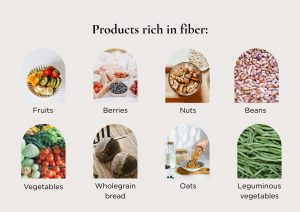
Want to up your fibre intake? Stock up on:
Veggies – Carrots, cabbage, beetroot.
Fruits & Berries – Apples, raspberries, blackcurrants.
Whole grains – Wholemeal bread, oats, brown rice, quinoa.
Nuts & Seeds – Almonds, flaxseeds, chia seeds.
Pulses – Beans, lentils, chickpeas.
When buying food, check labels!
“Source of fibre” = at least 3g per 100g.
“High in fibre” = at least 6g per 100g.
Are We Getting Enough? (Spoiler: Probably Not!)
Here’s the truth—most of us aren’t eating enough fibre. We should be getting around 20-30g per day, but the reality? Many people barely hit 15-20g.
A quick rule: Aim for 10g of fibre per 1000 kcal in your diet.
Types of Fibre (Yep, There’s More Than One!)
Back in the day, fibre was just soluble vs. insoluble, but now it’s a bit more scientific:
Non-starch polysaccharides – Found in plant cell walls (think cellulose, pectin, beta-glucans).
Resistant starch – A type of starch that acts like fibre in the gut.
Oligosaccharides – Fancy name for prebiotic fibres (great for gut bacteria!).
Lignin – A woody part of plants (also good for digestion).
Why Should You Care? (AKA The Benefits of Fibre!)
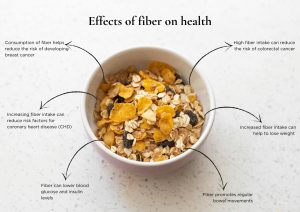
Good for Your Heart – Helps lower cholesterol and reduce heart disease risk.
Keeps Digestion Smooth – No one likes bloating or constipation, right?
Helps with Weight Loss – High-fibre foods keep you fuller for longer.
Balances Blood Sugar – Slows sugar absorption, helping prevent diabetes.
May Reduce Cancer Risk – Linked to lower risks of colorectal and breast cancer.
Pretty cool, huh?
But Wait—Can You Have Too Much Fibre?
Yep, too much of a good thing can backfire! If you go overboard (75-80g/day), you might get:
Bloating & Gas – Not fun at all.
Mineral Absorption Issues – Too much fibre can interfere with iron, calcium, magnesium, and zinc.
If you’re increasing fibre, do it gradually and drink plenty of water!
Easy Ways to Eat More Fibre (Without Trying Too Hard!)
Breakfast: Wholegrain cereal, porridge, or wholemeal toast (5g fibre).
Lunch: Add veggies, beans, or whole grains (9g fibre).
Dinner: Fill half your plate with veggies.
Snacks: Choose fruit, nuts, or wholegrain crackers.
Simple swaps = big health wins!
Final Thoughts
Fibre isn’t the most glamorous nutrient, but it’s SO important for overall health. Just making small changes—like switching to wholemeal bread, adding a handful of nuts, or eating more veggies—can make a huge difference.
So, are you getting enough fibre? Let us know in the comments!
Sources
European Parliament (EU) No. 1169/2011.
EFSA Scientific Opinion on dietary fibre, 2007.
Mayo Clinic – High-Fibre Diet Guide.
World Health Organization – Healthy Eating Guidelines.
The American Journal of Clinical Nutrition (various studies).
