gut-brain-skin connection and microbiome balance illustration

The Gut-Brain-Skin Connection: Why the Microbiome Matters for Skin Health

When we think about skincare, we often focus on what we put on our skin – creams, serums, or treatments. However, growing research into the gut-brain-skin connection suggests that healthy skin may actually start from within.
A recent article written by one of our trusted clinical partners, Dr. Tatyana Lapa-Enright from Hardwick Clinic, explores how the gut, brain and skin are closely connected through the body’s microbiome. This relationship helps explain why factors such as stress, digestion, and lifestyle habits can impact our skin.
Understanding the gut-brain-skin connection encourages a more balanced and holistic approach to skin health.


What is the microbiome?

The microbiome is the community of trillions of tiny microorganisms that live in and on our bodies. While that might sound alarming, many of these microbes are actually helpful and play an important role in keeping us healthy.

They help with digestion, support our immune system, and even influence the condition of our skin. Different areas of the body – including the gut, skin, mouth, and respiratory system – have their own microbiomes that work together to maintain balance.

When everything is working well, this system helps keep both our body and skin functioning properly.


When the balance changes

Sometimes the microbiome becomes unbalanced. This is known as dysbiosis.

When this happens, it may weaken the skin’s natural barrier and increase inflammation in the body. As a result, some people may notice skin concerns such as acne, eczema, rosacea, or increased sensitivity.

Many factors can influence the microbiome, including diet, lifestyle, medication, and environmental stress.


The gut-brain-skin connection

One of the most interesting discoveries in recent years is the link between the gut, brain, and skin.

These systems communicate constantly through hormones, the immune system, and the nervous system. Because of this connection, digestive issues, emotional stress, and skin flare-ups can sometimes appear together.

This is why supporting gut health can have benefits that go beyond digestion – including supporting healthier-looking skin.


How stress can affect your skin

Stress can have a surprisingly strong effect on the body. When we experience ongoing stress, the body releases hormones such as cortisol.

Over time, high levels of stress hormones can disrupt the balance of the microbiome and increase inflammation. This can lead to digestive discomfort, more reactive skin, and slower recovery after certain skin treatments.

Taking steps to manage stress can therefore be helpful not only for our well-being, but also for our skin.


Supporting your microbiome

Supporting a healthy microbiome doesn’t have to be complicated. A balanced diet, good sleep, and stress management can all help maintain internal balance.

Many people also support their microbiome with prebiotics, probiotics, and postbiotics. Some choose probiotic supplements to help maintain a balanced gut microbiome and support overall well-being.

  • Prebiotics feed the beneficial bacteria already living in the gut.
  • Probiotics introduce helpful bacteria to support balance.
  • Postbiotics are beneficial compounds created during fermentation that can help support the body’s natural processes.

Together, these elements can help maintain a healthy microbial environment.


Looking at skin health from a wider perspective

The connection between the gut, brain, and skin reminds us that our skin doesn’t exist in isolation. Internal balance, emotional well-being, and lifestyle habits all play a  role in how our skin looks and feels.

By supporting the body from within, we may also help support healthier, more resilient skin over time. Research into the gut-brain-skin connection continues to highlight how digestion, stress levels, and microbiome balance can all influence skin health and recovery.

This article was inspired by insights shared by Dr. Tatyana Lapa-Enright in her article “Beyond Surface.”

If you would like to explore the topic further, you can read the full original article here.

mizuki face mask. face mask with posbiotics

How to Choose the Best Face Mask: The Benefits of Postbiotics for Skin

When most of us think about postbiotics, we associate them with gut health. But in recent years, this innovative term has begun to appear in the skincare industry, especially in products like face masks as well. And for good reason: postbiotics have been found to reduce inflammation, strengthen the skin barrier, fight harmful microorganisms, slow down the signs of ageing, and relieve dryness. This makes them a valuable addition to modern beauty routines, particularly in products like face masks that help to restore skin’s moisture, firmness, and youthful glow.

What Are Postbiotics?

Postbiotics are the metabolic by-products of probiotics (beneficial live bacteria). In other words, they’re the bioactive compounds left behind after probiotics have done their work. These compounds include organic acids, peptides, polysaccharides, and other natural substances that support the immune system, reduce inflammation, and strengthen the skin barrier.

While probiotics and prebiotics have gained recognition in nutrition and skincare, postbiotics are now at the forefront thanks to their ability to deliver visible benefits without requiring live bacteria.

How Do Postbiotics Benefit the Skin?

Research shows that postbiotics provide a range of skin health benefits. Here are some of the most important ones:

Reduces Inflammation

Postbiotics contain anti-inflammatory compounds that may ease common skin concerns such as acne, eczema, and psoriasis. By calming inflammation, they help improve both the look and feel of the skin.

Strengthens the Skin Barrier

Your skin barrier is the first line of defence against environmental stressors, pollution, and pathogens. Postbiotics can help restore the lipid layer on the skin’s surface, making it stronger, more resilient, and better able to protect itself.

Improves Hydration

A healthy skin barrier is essential for locking in moisture. Postbiotics reduce transepidermal water loss and encourage the skin to produce its own natural moisturising factors. This helps protect against dryness and keeps skin soft and supple.

Antibacterial Action

Certain postbiotics have antibacterial properties that can inhibit the growth of harmful bacteria responsible for skin infections and breakouts. This natural protection supports clearer, healthier-looking skin.

Anti-Ageing Benefits

Postbiotics help to reduce oxidative stress and promote collagen production, both of which are key to slowing down the visible signs of ageing. Regular use can support skin renewal, helping to reduce the appearance of fine lines and wrinkles.

Why Choose a Face Mask with Postbiotics?

Adding a postbiotic face mask to your weekly skincare routine can offer benefits that go beyond what daily creams or serums provide. Here’s why:

  • Higher concentration of active ingredients
    Face masks are designed as an intensive treatment, used just once or twice a week. This means they often contain a greater concentration of postbiotics compared with everyday skincare products. The stronger formula helps deliver noticeable results, giving your skin a real boost in hydration, resilience, and radiance.

  • Longer contact time with the skin
    Unlike creams or lotions that absorb quickly, face masks stay on the skin for 15–20 minutes. This prolonged contact allows postbiotics to work more effectively, interacting with the skin’s surface for a deeper and more sustained effect. In sheet masks, this benefit is enhanced further, as the mask acts like a cocoon that locks in the ingredients.

  • Deeper penetration into the skin
    Thanks to their texture and formulation, face masks can deliver bioactive compounds into the deeper layers of the skin more effectively than lighter products. This ensures that the skin’s natural renewal processes are supported from within, making masks particularly useful for addressing dryness, loss of elasticity, and uneven tone.

  • Protective barrier effect
    Sheet masks, in particular, form a temporary barrier over the skin, preventing evaporation and protecting the active ingredients from external factors like air or pollution. This means the postbiotics and other nutrients are fully absorbed, maximising their impact on your skin health.

  • An extra dose of self-care
    Beyond the science, masks also offer a chance to pause, relax, and indulge in some me-time. Stress can take a toll on your skin, and using a mask not only nourishes it physically but also supports overall wellbeing. Pairing postbiotics with a mindful skincare ritual makes the treatment even more beneficial.


The Bottom Line

If you’re looking to boost hydration, strengthen your skin barrier, and combat signs of ageing, a face mask with postbiotics is a smart choice. By combining advanced probiotic science with the convenience of a mask, this new generation of skincare offers intensive, targeted care for radiant and resilient skin.

Next time you’re choosing a face mask, check the ingredients list — and if you see postbiotics, you’ll know you’re investing in the future of healthy skin.

Do Probiotics Really Work? Here’s What Science—and Doctors—Say About Dr.OHHIRA®

Probiotics have long been associated with better gut health, but with hundreds of options on the market, many consumers (and even doctors) remain cautious: which ones actually work? A recent iNews article took a hard look at the science behind probiotics—and named Dr.OHHIRA® as one of the rare examples that stands up to clinical scrutiny.

Unlike many shelf probiotics that rely solely on live bacteria, Dr.OHHIRA® delivers a unique triple-action approach: probiotics, prebiotics, and postbiotics—a next-generation formula known as a Synbiotic Trio. It’s not only innovative, but also grounded in nearly 30 years of scientific research by renowned Japanese microbiologist Dr. Iichiroh  Ohhira.


The Power of Fermentation – Backed by Clinical Evidence

Dr.OHHIRA® probiotics are made through a meticulous 3 to 5-year fermentation process, using 14 types of fruits, vegetables, mushrooms, and seaweeds, enriched with 12 strains of lactic acid bacteria. The result is OM-X®—a fermented extract rich in:

  • Live, viable probiotic strains
  • Over 500 types of postbiotic metabolites (including short-chain fatty acids, organic acids, and amino acids)

Multiple peer-reviewed clinical studies have confirmed OM-X®’s benefits for digestion, immune function, skin health, and even bone density.  It’s one of the few probiotic formulas to be tested not only in-vitro, but also in placebo-controlled human trials.

Recommended by Healthcare Professionals

What truly sets Dr.OHHIRA® apart is its endorsement by health experts and its safe application in medical contexts. It has been:

  • Clinically tested for safety in high doses (up to 15 capsules daily)
  • Included in wellness strategies during periods such as antibiotic use, digestive imbalance, fatigue, or immune challenges
  • Clinical studies have observed potential benefits related to digestion and immune system support.

Dr.OHHIRA® products are suitable for all age groups, including children (from 3 years old), pregnant women, and the elderly—a key reason many UK practitioners now recommend them as part of daily wellness routines. However, it is always recommended to consult a doctor before use.


The Future Is Postbiotic

While most probiotic supplements focus on adding live bacteria to the gut, modern science is increasingly shifting toward postbiotics—the biologically active compounds created by probiotics during fermentation. These compounds can:

  • Strengthen the gut barrier
  • Help to improve immunity
  • Help to balance inflammatory responses
  • Help to influence neurochemical and hormonal signals

OM-X® delivers a rich spectrum of these postbiotics directly, without the fragility of live bacteria that often die before reaching the intestines. This makes it a smart, high-bioavailability option for those seeking reliable, predictable health benefits.


Why Dr.OHHIRA® Stands Out

Dr.OHHIRA® is a science-backed, doctor-recommended, and consumer-trusted probiotic solution. It embodies:

  • Japanese excellence in formulation and fermentation
  • Rigorous clinical validation
  • Clean-label quality (non-GMO, dairy-free, gluten-free, vegan-friendly)
  • Trusted by the Sentaku Health & Beauty Group, who have over 15 years of experience delivering premium Japanese health innovations

Whether you’re managing gut discomfort, looking to boost your immunity, or simply making a more conscious choice for everyday health, Dr.OHHIRA® is one of the rare probiotic brands that lives up to its promise.


Discover the full article that inspired this post here:
iNews: Probiotics – What Health Experts Say Actually Works


Dr. Ohhira annual collagen in furoshiki

Why Molecular Weight Matters in Collagen Absorption

Collagen is an essential protein for skin, joints, and bones, but its natural absorption by the body can be challenging due to the large and complex structure of its molecules. Scientific studies reveal that low molecular weight collagen is far more easily absorbed and utilized by the body. This smaller form of collagen can penetrate the intestinal walls into the bloodstream more efficiently, allowing it to reach key areas like skin, joints, and bones more effectively.

What is Hydrolyzed Collagen?

When we consume collagen from food, it typically comes in its natural, large molecular weight form. This type of collagen is not easily absorbed. To improve absorption, collagen undergoes a process called hydrolysis, which breaks it down into smaller chains called peptides.

These smaller peptides, found in hydrolyzed collagen, have a much lower molecular weight, making them easier for the body to absorb and use. Molecular weight is measured in Daltons (Da), and the smaller the molecule, the easier it is for your body to utilize. For instance, molecular weight 1100 Da peptides are highly effective for absorption and benefits.

Compared to standard collagen, hydrolyzed collagen offers better bioavailability and numerous other benefits.

What is Molecular Weight?

Molecular weight refers to the mass of a molecule and is typically measured in Daltons (Da). In the context of collagen, it indicates the size of the peptide chains. The smaller the molecular weight, the more efficiently your body can absorb and use the collagen.

How to Determine Molecular Weight?

Molecular weight is usually determined through scientific analysis using methods like gel permeation chromatography or mass spectrometry. These techniques help manufacturers identify the size and absorption potential of collagen peptides, allowing them to create more effective supplements.

When shopping for collagen, reputable brands will often list the molecular weight on their product labels—look for values under 2000 Da for optimal absorption.

Why Size Affects Absorption

The size of a collagen molecule directly impacts how well it can be absorbed in your digestive system. Large collagen molecules (like those from food sources or unprocessed supplements) are difficult to break down and absorb. On the other hand, smaller peptides—especially those with a molecular weight ≤2000 Da—are better suited for absorption through the intestinal walls and into the bloodstream.

This is why hydrolyzed collagen, which has been broken down into smaller peptides, is considered superior.

Benefits of Hydrolyzed Collagen

Here’s why hydrolyzed collagen is a game-changer:

  • Improved Absorption: Smaller molecules (low molecular weight peptides) can pass through the intestinal walls into the bloodstream more easily, providing better absorption.

  • Increased Effectiveness: Due to its higher absorption rate, hydrolyzed collagen delivers benefits directly to the tissues that need it most, such as the skin, joints, and bones.

  • Smaller Required Dosage: Since it’s better absorbed, you don’t need to consume large amounts of hydrolyzed collagen to see results.

  • Convenience: Hydrolyzed collagen dissolves easily in liquids, making it ideal for supplements and drinks. It also has a milder taste and odor compared to regular collagen.

  • Enhanced Taste and Usability: Because hydrolyzed collagen has a less pronounced flavor, there’s no need for extra sugar or sweeteners to mask the taste in products.

What Science Says About Collagen Absorption

Recent research confirms the benefits of low molecular weight collagen:

  • A study published in the Journal of Agricultural and Food Chemistry found that low molecular weight collagen peptides are absorbed more effectively and have higher bioavailability compared to higher molecular weight collagen.

  • Another study, published in Nutrients, showed that low molecular weight collagen improved skin hydration, elasticity, and reduced wrinkles in participants compared to a control group.

Why Molecular Weight is Key

The molecular weight of collagen is measured in Daltons (Da). The smaller the molecule, the easier it is for the body to absorb. Here’s a breakdown of molecular weight units and how they affect absorption:

  • ≤2000 Daltons (Da): Considered very small and ideal for absorption.

  • <5000 Daltons: Generally well-absorbed.

  • 5000–10,000 Daltons: Still absorbable but less effective than smaller peptides.

  • 10,000+ Daltons: Large molecules with limited absorption potential.

For example, Dr. OHHIRA® Collagen contains collagen with a molecular weight of only 1000 Da, while its tripeptides are an ultra-small 500 Da! This makes it highly efficient in delivering collagen benefits to your body.

Synergistic Boosters for Collagen Absorption

Even low molecular weight collagen works best when combined with complementary ingredients like:

  • Vitamin C: Supports collagen production and stability.

  • Hyaluronic Acid: Enhances skin hydration and elasticity (Dr. OHHIRA® contains hyaluronic acid with a molecular weight of ≤150 Da!).

  • Elastin: Helps maintain skin’s elasticity and firmness (molecular weight ≤1100 Da).

How to Choose the Right Collagen Supplement

When selecting a collagen supplement, always check the molecular weight on the label. The smaller the molecular weight, the better the absorption and effectiveness. Look for collagen with a molecular weight of ≤2000 Da to ensure maximum benefits with minimal intake.

In Summary

  • Regular collagen is harder to absorb due to its large molecules and has a strong taste.

  • Hydrolyzed collagen is broken down into smaller peptides, offering better absorption, a milder taste, and greater effectiveness.

  • Low molecular weight collagen (≤2000 Da) ensures optimal absorption and benefits.

  • High-quality supplements like Dr. OHHIRA® Collagen combine ultra-small peptides with synergistic ingredients like vitamin C, hyaluronic acid, and elastin for superior results.

By choosing a supplement with low molecular weight collagen, you’re ensuring your body gets the best possible results with less effort—and no compromise on taste or convenience!

Furoshiki: The Art of Wrapping Gifts with Fabric

Furoshiki is a beautiful and eco-friendly Japanese technique for wrapping gifts in fabric. It turns ordinary gift-giving into something special by using reusable fabric to present gifts. This traditional method has been practiced for centuries and is a creative, sustainable alternative to disposable wrapping paper.

When it comes to wrapping a square or rectangular gift box, furoshiki offers an elegant and simple solution. The fabric itself becomes part of the gift, and the wrapping technique adds a personal and thoughtful touch.


Why Use Furoshiki for Gift Wrapping?

Furoshiki isn’t just about making gifts look beautiful. It’s about thoughtful presentation and sustainability. Unlike traditional wrapping paper, which is often torn and thrown away, furoshiki fabric can be reused, repurposed, or even kept by the recipient as a keepsake. This zero-waste approach to wrapping is ideal for eco-conscious gift-givers.


How to Wrap a Square Gift Box with Furoshiki

Wrapping a square or rectangular box is one of the simplest and most common furoshiki techniques. Here’s how to do it:


Materials:

• A square piece of fabric (the size should be about 3 times the size of the gift box)

• The gift box you want to wrap


Steps:

1. Place the Fabric: Lay your furoshiki fabric flat on a table, with one corner pointing towards you like a diamond.

2. Position the Gift: Place the square or rectangular gift box in the center of the fabric, aligning it so that the edges of the gift box point toward the corners of the fabric.

3. Fold Two Opposite Corners: Take the corner closest to you and the one directly opposite, and fold them over the top of the gift. Pull them tightly and tie a knot in the center of the box. Make sure the knot is secure but not too tight.

4. Fold the Remaining Corners: Now take the two remaining corners and fold them neatly over the sides of the box. You can either tuck these ends under the previous knot or tie them together in a second knot on top of the first. The second method gives the wrapping a more decorative, layered look.

5. Adjust and Smooth: Adjust the fabric to make sure it’s snug around the box, and smooth out any wrinkles for a neat, polished finish.

Eco-Friendly and Practical

One of the best things about furoshiki is its sustainability. Unlike paper gift wrap, which is often single-use, furoshiki fabrics can be reused many times. The recipient can even

repurpose the fabric as a scarf, a reusable bag, or for future gift wrapping.


Conclusion

Wrapping a gift using furoshiki is not only easy but also adds a unique, artistic touch to your gift presentation. By embracing this traditional Japanese wrapping method, you’re giving more than just a gift — you’re sharing a sustainable and thoughtful way of living. Whether it’s for a birthday, wedding, or holiday, furoshiki turns gifts into something truly special.

Gut Bacteria and Brain Power: How Probiotics Improve Learning

Now that the school year is underway, many parents are focused on how to help children concentrate and retain information more effectively. One essential yet often overlooked factor that can impact children’s focus, well-being, and learning abilities is gut microbiota. Scientific studies show that probiotics – beneficial bacteria that promote gut health – can help maintain a balanced gut microbiome, which plays a crucial role in enhancing cognitive functions, including focus and memory. On the flip side, an imbalance in gut bacteria can lead to issues like fatigue and difficulty in learning.


Importance of Gut Microbiota for Children’s Health

Gut microbiota refers to billions of bacteria and microorganisms residing in the digestive tract. This microbiota plays several vital roles, including digesting food, absorbing nutrients, boosting the immune system, and controlling harmful pathogens. For children, a healthy gut microbiome is especially important because their immune systems are still developing, and their growing bodies require plenty of energy and nutrients.


How Gut Microbiota Impacts Focus and Learning

The gut-brain connection is a direct communication pathway between the gut and the nervous system, often called the “gut-brain axis.” The health of the gut can influence brain functions such as focus and learning. Scientific research suggests that a healthy gut microbiota supports cognitive functions in several ways:

1. Production of neurotransmitters: Gut bacteria produce neurotransmitters like serotonin and dopamine, essential for regulating mood, focus, and learning. Disruptions in gut health can lead to mood swings and difficulty concentrating.

2. Immune system support: Over 70% of immune cells are located in the gut. A healthy gut microbiota supports the immune system and reduces inflammation, which can negatively impact brain function and cause fatigue.

3. Nutrient absorption: Healthy gut bacteria improve the digestion and absorption of essential nutrients like vitamins and minerals, which are crucial for brain function and energy production. A deficiency in these nutrients can result in fatigue and concentration problems.

Can Probiotics Help Children?

Probiotics can aid children’s focus and learning abilities in several ways:

1. Restoring gut balance: Probiotics promote the growth of beneficial bacteria while reducing harmful bacteria, restoring a healthy gut microbiome. This helps reduce inflammation and improves nutrient absorption.

2. Boosting neurotransmitter production: Probiotics support the production of neurotransmitters like serotonin and dopamine, which positively affect mood, focus, and learning.

3. Strengthening the immune system: Probiotics help strengthen the immune system, reducing inflammation and protecting against infections that may cause fatigue and hinder learning.

4. Improving digestion: Probiotics enhance digestion and the absorption of vital nutrients, essential for brain function and energy production.


Scientific Research on Probiotics and Cognitive Function

Several studies support the role of probiotics in improving cognitive abilities. For example:

– A 2015 study found that probiotics improved children’s concentration and reduced hyperactivity .

– A 2017 study demonstrated that probiotics enhanced cognitive functions such as memory and processing speed in children .

– Another study published in *Microbiome Journal* found that a more diverse gut microbiota in preschool-aged children was linked to better cognitive abilities .


Recommendations for Probiotic Use in Children

When selecting probiotics, it’s important to choose supplements that contain a wide variety of bacterial strains. For instance, “Dr. Ohhira” probiotics with 12 strains of bacteria are a good choice, as they are already active when reaching the large intestine, making them ready to assist in nutrient absorption. Probiotics should be taken regularly and over a long period for the best results. Before starting probiotics, it’s advisable to consult a pediatrician, especially if the child has health issues or is on medication.


Sources:

1. Suez, J., & Elinav, E. (2017).The path towards microbiome-based metabolite treatment. Nature Microbiology, 2, 17075. (https://doi.org/10.1038/nmicrobiol.2017.75)

2. Aatsinki, A.-K., Lahti, L., Uusitupa, H.-M., et al. (2019).Gut microbiota composition is associated with the Methyl-CpG-binding protein 2 gene mutation in Rett syndrome. Scientific Reports, 9(1), 9654. (https://doi.org/10.1038/s41598-019-46122-2)


3. Ho, N. T., et al. (2018). Meta-analysis of effects of exclusive breastfeeding on infant gut microbiota across populations.* Nature Communications, 9(1), 4169. https://www.nature.com/articles/s41467-018-06473-x)


4. Tillisch, K., et al. (2013). Consumption of fermented milk product with probiotic modulates brain activity.* Gastroenterology, 144(7), 1394-1401. (https://doi.org/10.1053/j.gastro.2013.02.043)


5. Benton, D., Williams, C., & Brown, A. (2007). Impact of consuming a milk drink containing a probiotic on mood and cognition. European Journal of Clinical Nutrition, 61(3), 355-361. (https://doi.org/10.1038/sj.ejcn.1602546)

How to increase children’s concentration and help them remember information more easily

With the arrival of autumn, one of the biggest ‘headaches’ for parents becomes the question of how to help both schoolchildren and students concentrate and remember information more easily. One of the important aspects that can significantly affect children’s well-being, concentration, and ability to learn is gut microbiota. Scientific research shows that probiotics – live bacteria that positively affect gut health – can help maintain a healthy gut microbiota and improve children’s ability to learn and concentrate. Meanwhile, an imbalance in gut microbiota can lead to fatigue and learning difficulties.

Gut Microbiota and Its Importance for Children’s Health

Gut microbiota consists of billions of bacteria and other microorganisms that live in the human digestive tract. This microbiota performs many important functions, including food digestion, nutrient absorption, strengthening the immune system, and controlling pathogenic microorganisms. For children, a healthy gut microbiota is especially important, as their immune systems are still developing, and their growing bodies require a lot of energy and nutrients.

How does gut microbiota affect children’s concentration and learning ability?

Gut microbiota has a direct connection with the brain and nervous system. This connection is sometimes called the ‘gut-brain axis’ because gut health can affect certain brain functions.

Scientific studies show that a healthy gut microbiota can improve children’s concentration and learning ability. Here are some microbiome functions that contribute to this:

  • Neurotransmitter Production: Gut bacteria produce many neurotransmitters, such as serotonin and dopamine, which are important for brain functions, including mood regulation, concentration, and learning. An imbalance in the gut can disrupt the production of these neurotransmitters, leading to mood swings or difficulty concentrating.

  • Immune System Support: More than 70% of immune system cells are located in the gut. A healthy gut microbiota helps strengthen the immune system and reduce inflammation in the body, which can otherwise negatively impact brain function, causing fatigue and learning difficulties.

  • Nutrient Absorption: A healthy gut microbiota aids in effective digestion and the absorption of essential nutrients, such as vitamins and minerals, that are crucial for brain function and energy production. A deficiency in these nutrients can leave children feeling tired and make it difficult for them to concentrate.

When the gut microbiota is imbalanced, pathogenic bacteria can start to multiply, causing inflammation and disrupting nutrient absorption.

Various factors, such as poor diet, antibiotic use, stress, infections, and chronic illnesses, can lead to an imbalance in gut microbiota.”

Can Probiotics Help Children?

Probiotics are live bacteria that can be obtained through proper food or dietary supplements. They can improve children’s concentration and learning ability in several ways:

  • Restoring Gut Microbiota Balance: Probiotics help restore a healthy gut microbiota by promoting the growth of beneficial bacteria and reducing the number of pathogenic bacteria. This helps reduce inflammation and improve nutrient absorption.

  • Enhancing Neurotransmitter Production: Probiotics can help maintain the proper production of neurotransmitters, such as serotonin and dopamine, in the gut, which positively affects mood, concentration, and learning ability.

  • Strengthening the Immune System: Probiotics help strengthen the immune system, reduce inflammation, and protect against infections that can lead to fatigue and poor learning ability.

  • Improving Digestion and Nutrient Absorption: Probiotics aid in more efficient digestion and the absorption of essential nutrients that are important for brain function and energy production.”

Scientific Research

The benefits of probiotics for children’s gut health and learning abilities are supported by numerous scientific studies. For example, a study published in 2015 showed that probiotics can improve children’s concentration and reduce symptoms of hyperactivity.

Another study, conducted in 2017, found that probiotics can enhance children’s cognitive functions and learning abilities. During the study, children who took probiotics observed better school performance, improved memory, and faster information processing.

Another study, published in the Microbiome Journal, examined the relationship between gut microbiota and behavioral outcomes in preschool-aged children. The study showed that children with a more diverse gut microbiome had better cognitive abilities.

It has also been found that gut microbiota and brain development are particularly closely linked in the early years of life. The gut microbiome can produce neurotransmitters and other neuroactive compounds that directly affect the central nervous system through the neuroendocrine pathway. Therefore, a healthy gut microbiota in infants is crucial for their future development.

Recommendations for Using Probiotics in Children

When choosing probiotics, it’s important to pay attention to the variety of bacterial strains they contain. Supplements with a greater diversity of bacteria are recommended. In this case, Dr. Ohhira probiotics, which contain 12 types of bacteria, are very suitable. These bacteria reach the large intestine in an active state, meaning they are immediately ready to help absorb essential vitamins and minerals.

To achieve the best results, probiotics should be taken regularly and over a long period. It is recommended to consult a pediatrician or other healthcare professional before starting probiotics, especially if the child has health issues or is taking other medications.

Sources:

  1. Suez, J., & Elinav, E. (2017). The path towards microbiome-based metabolite treatment. Nature Microbiology, 2, 17075. https://doi.org/10.1038/nmicrobiol.2017.75
  2. Aatsinki, A.-K., Lahti, L., Uusitupa, H.-M., Munukka, E., Keskitalo, A., Nolvi, S., … & Karlsson, H. (2019). Gut microbiota composition is associated with the Methyl-CpG-binding protein 2 gene mutation in Rett syndrome. Scientific Reports, 9(1), 9654. https://doi.org/10.1038/s41598-019-46122-2
  3. Ho, N. T., Li, F., Lee-Sarwar, K. A., Tun, H. M., Brown, B. P., Pannaraj, P. S., … & Azad, M. B. (2018). Meta-analysis of effects of exclusive breastfeeding on infant gut microbiota across populations. Nature Communications, 9(1), 4169. https://doi.org/10.1038/s41467-018-06473-x
  4. Tillisch, K., Labus, J., Kilpatrick, L., Jiang, Z., Stains, J., Ebrat, B., … & Mayer, E. A. (2013). Consumption of fermented milk product with probiotic modulates brain activity. Gastroenterology, 144(7), 1394-1401. https://doi.org/10.1053/j.gastro.2013.02.043
  5. Benton, D., Williams, C., & Brown, A. (2007). Impact of consuming a milk drink containing a probiotic on mood and cognition. European Journal of Clinical Nutrition, 61(3), 355-361. https://doi.org/10.1038/sj.ejcn.1602546

The Impact of Microbiota on Iron Absorption

The human microbiota consists of billions of microorganisms residing in our bodies, particularly in the gut, where they perform crucial functions—from synthesizing nutrients to regulating the immune system. Increasingly, there’s discussion about how gut flora influences the absorption of vitamins and minerals. But how exactly does gut microbiota affect iron absorption, and what does this mean for our health?


Microbiota and Iron Absorption 

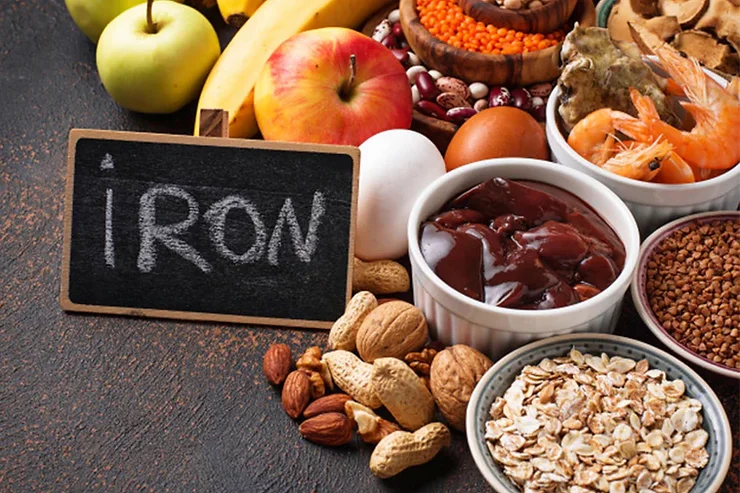
Iron is essential for blood production and numerous enzymatic activities, but an excess or deficiency can lead to serious health issues. The scientific community recognizes that gut microbiota can directly impact iron absorption. This occurs through several mechanisms, including the production of microbial fermentation products like short-chain fatty acids (SCFAs), which enhance the ability of intestinal epithelial cells to absorb iron. Furthermore, certain gut bacteria genes may encode proteins that directly bind and transport iron, thus enhancing its absorption.

For instance, a 2020 study published in “Frontiers in Nutrition” found that certain Lactobacillus species bacteria could enhance iron absorption in the intestine by acting as an “iron source” to host cells. The study revealed that these bacteria could modify the gut environment to make it more conducive to iron absorption.

Conversely, bacteria can also have the opposite effect. A 2021 study in “Nutrients” showed that an imbalanced microbiota could decrease iron absorption in the intestine by modifying the permeability of the intestinal epithelial wall and altering microbial fermentation.

Regulating Microbiota 

Given the influence of microbiota on iron absorption, scientists are exploring ways to modify gut microbiota to improve iron metabolism. One of the most promising methods is the use of probiotics and prebiotics. These supplements can help restore or maintain a healthy gut microbiota, potentially enhancing iron absorption. For example, a 2019 study published in the “Journal of Nutrition” demonstrated that the intake of probiotics containing Lactobacillus and Bifidobacterium could increase iron absorption in the intestine. Therefore, before taking vitamins or minerals, it might be wise to ensure proper gut flora.

Dr. Ohhira’s probiotics contain 12 STRAINS of active and viable probiotic cultures from the Lactobacillus, Bifidobacterium, and S.thermophilus families. Patented capsule walls protect the bacteria from stomach acid, allowing them to safely reach the intestine.

Remember, dietary supplements are not a substitute for food, and a healthy, balanced diet and lifestyle are crucial.

Sources:

Collagen and Skin Protection in the Summer

During the summer, our skin faces more challenges due to increased exposure to sunlight, which can lead to aging, drying, pigmentation issues, and other adverse effects. Scientific research suggests that collagen supplements can help protect the skin from these harmful effects and maintain its elasticity and moisture.

The Impact of Sun on Skin

Ultraviolet (UV) rays from the sun are a major factor in skin aging. There are two main types of UV rays that affect the skin: UVA and UVB. UVA rays penetrate deep into the skin causing long-term damage such as wrinkles and pigmentation issues. They also damage skin cells, create free radicals, and decrease the natural collagen in the skin. This can lead to the appearance of wrinkles, loss of elasticity, and pigmentation. UVB rays affect the top layer of the skin causing sunburn.

Scientific studies show that collagen supplements can help reduce these effects.

Why Collagen is Important

Collagen is one of the primary proteins in our body, making up about 30% of our total protein content. It is a crucial component of the skin, tendons, ligaments, and bones. Collagen provides structure and elasticity to the skin, helps maintain moisture, and promotes cell renewal.

A 2014 study published in the journal “Skin Pharmacology and Physiology” found that women who took collagen peptides for eight weeks had significantly more elastic and moisturized skin compared to those in the control group. Researchers discovered that collagen supplements can increase skin hydration and reduce the depth of wrinkles.

Another study in 2014 published in “Clinical Interventions in Aging” showed that daily collagen supplement intake could reduce wrinkle depth and improve overall skin texture after 12 weeks.

Benefits of Collagen for Skin protection in Summer

• Improves skin elasticity and moisture: In summer, when skin is more frequently exposed to sunlight, it’s vital to ensure it is properly moisturized. Collagen supplements help maintain skin moisture balance and improve its elasticity, crucial for preventing skin drying and wrinkling.

• Protects against damage from UV rays: As mentioned, UV rays can damage skin cells and reduce natural collagen. Studies show that collagen supplements can promote skin renewal and reduce damage caused by UV rays.

• Antioxidant protection: Collagen acts as an antioxidant, helping to neutralize free radicals generated by exposure to sunlight. This helps reduce skin inflammation and protect against signs of aging.

• Stimulates collagen synthesis: Collagen supplements encourage the natural production of collagen in the skin. This is especially important in summer when sunlight reduces natural collagen levels. Increased collagen helps maintain skin structure and elasticity.

• Promotes wound healing: Collagen facilitates the regeneration of skin cells, which can accelerate the healing of wounds and help the skin recover more quickly from sunburn. Studies indicate that collagen supplements can improve the wound healing process, reducing inflammation and promoting new cell growth.

• Reduces the visibility of cellulite: Collagen can help reduce the visibility of cellulite by strengthening the skin’s structure and improving its appearance.

• Reduces wrinkle depth: Studies have shown that taking collagen supplements can significantly reduce wrinkle depth, particularly around the eyes and mouth, over several months.

• Maintains skin firmness: Collagen strengthens the skin’s structure, helping to maintain its firmness and resistance to external factors.

Choosing the Right Collagen Scientific studies suggest that marine-derived collagen is more easily absorbed and effective than animal-derived collagen. For maximum effect and collagen absorption, it’s recommended to choose Dr.Ohhira® marine-derived collagen with a very low molecular weight. This is the only liquid drinkable collagen on the market featuring the Anti-AgeTRIO® complex, which combines the beneficial properties of collagen tripeptides, elastin, and hyaluronic acid. This trio is like a miracle for the skin, musculoskeletal system, and overall wellbeing. Additionally, Dr.OHHIRA® drinkable collagen stands out with its low molecular mass, allowing it to more easily penetrate the intestinal wall into the bloodstream, ensuring more effective delivery to the tissues where it is needed – the skin, joints, and bones.


Sources:


Dr.Ohhira x Selfridges

Dr. Ohhira Chosen by Sentaku Premium Japanese Products are Now Available at Selfridges in London, Oxford Street.


Our Health Supplements Collagen and Probiotics have officially arrived at Selfridges in London. We couldn’t be more thrilled about this incredible opportunity to bring our premium products closer to you!


Discover Sentaku’s High-Quality

Our Marine Collagen and Synbiotics, are clinically backed and we are proud from their high standard and effectiveness. All our products are made in Japan, a country renowned for its dedication to the highest standards in health and beauty.


Marine Collagen: Antiaging Gift of Youthfulness

Collagen is the key to maintaining youthful and radiant skin, strong hair, and healthy joints.

But not all Collagens are created equal! Ohhira.uk offers a range of Marine Collagen types (I, II, III) that are carefully sourced additionally with Vitamin C, Coenzyme Q10, Elastin, Hyaluronic Acid, Blueberry Juice, Royal Jelly, and Vegetable Extract OM-X.

Those types are responsible not only for Skin, Wrinkles, Hair and Nails, but also for Tendons, Bones, Eyes, Intestinal Walls, Muscles, Blood Vessels, Joint Health and more.


Synergistic Power of Synbiotics

We take gut health seriously! Our advanced Synbiotics combine PRObiotics, PREbiotics and POSTbiotics to create a balanced and thriving gut environment. A healthy gut plays a viral role in maintaining overall well-being, enhancing nutrient absorption supporting immune system and more.


Sampling Sessions: Try Before You Buy

Join us at Selfridges for Sampling Sessions

Don’t miss out on this exclusive chance to try our products and learn more about the benefits they offer. Our team will be on hand to answer all your questions.