FREE SHIPPING ON ORDERS ABOVE £ 49 ACCROSS THE UK ONLY


Weight Loss is a complex process that involves many body systems. However, the traditional approach to weight loss focuses only on calorie intake, physical activity, and certain supplements. Yet one of the most important but often overlooked aspects is gut microbiota and its role in regulating body weight. Scientists increasingly recognize that gut microbiota can have a significant impact on our metabolism, appetite, energy use, and even inflammatory processes, all of which are related to weight management. So, what dietary supplements could be most suitable for weight loss?
The Connection Between Gut Microbiota and Weight Loss
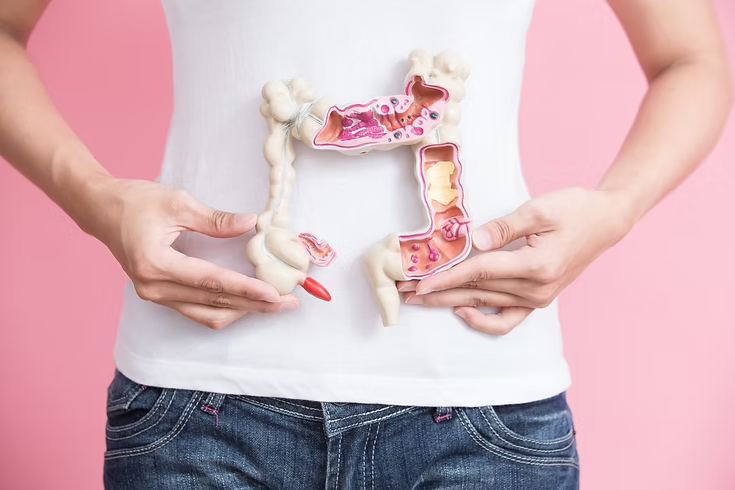
Gut microbiota, also known as the gut microbiome, is a complex community of microorganisms, including bacteria, viruses, fungi, and other microbes. The gut contains about a trillion bacteria. These bacteria not only aid in food digestion but also impact our immune system, hormone balance, and even mood. Studies show that people with certain bacterial types or different bacterial diversity in the gut may have a higher or lower tendency towards obesity.
Gut microbiota influences weight regulation in several ways:
- Energy Extraction: Some gut bacteria can increase or decrease the extraction of calories from food, thereby influencing body weight. This means that even when consuming the same amount of food, one person may derive more energy, while another may get less.
- Reducing Inflammation: Inflammation in the gut can contribute to weight gain and obesity. Healthy microbiota can help reduce inflammatory processes in our gut.
- Hormone Balance: Gut bacteria affect certain hormones that regulate hunger and feelings of fullness.
What Harms Gut Microbiota?
Optimal gut microbiota health is achieved with high diversity and balance between different bacterial species. This balance can be disrupted for various reasons:
- Poor diet: The composition of gut microbiota is highly dependent on the food consumed. For example, the Japanese, who consume a lot of seaweed, have specific digestive enzymes acquired from marine bacteria. Excessive intake of refined carbohydrates, sugar, and saturated fats, a lack of fiber, and preservatives in food can negatively affect microbial balance.
- Antibiotics and other medications: Antibiotics are one of the main factors disrupting gut microbiota. They can reduce the number and diversity of beneficial bacteria, leading to dysbiosis.
- Stress and low physical activity: Both of these factors can impact gut microbiota.
- Illnesses: Past infections in the gut and other diseases can also disrupt the balance of gut microorganisms.
- Infancy: Babies born by cesarean section or treated with antibiotics early in life may experience issues with microbiota diversity and balance. The environment in which babies grow and their diet are also important. Breast milk, due to its beneficial bacteria and oligosaccharides, has been found to positively impact the development of gut microbiota.
Are Dietary Supplements Necessary for Weight Loss?
Often, when aiming to manage weight, we immediately start exercising and seeking information about which dietary supplements are best for weight loss. Clearly, effective weight loss involves more than just reducing calorie intake or increasing physical activity; restoring healthy gut microbiota is also crucial. To achieve this, specialists recommend a couple of key steps:
- Changing dietary habits: Fiber, such as that found in fruits, vegetables, legumes, and grains, is beneficial for good bacteria and can help maintain a healthy gut microbiota. Additionally, foods rich in probiotics (e.g., kefir, yogurt, and other fermented products) can help support a healthy bacterial balance.
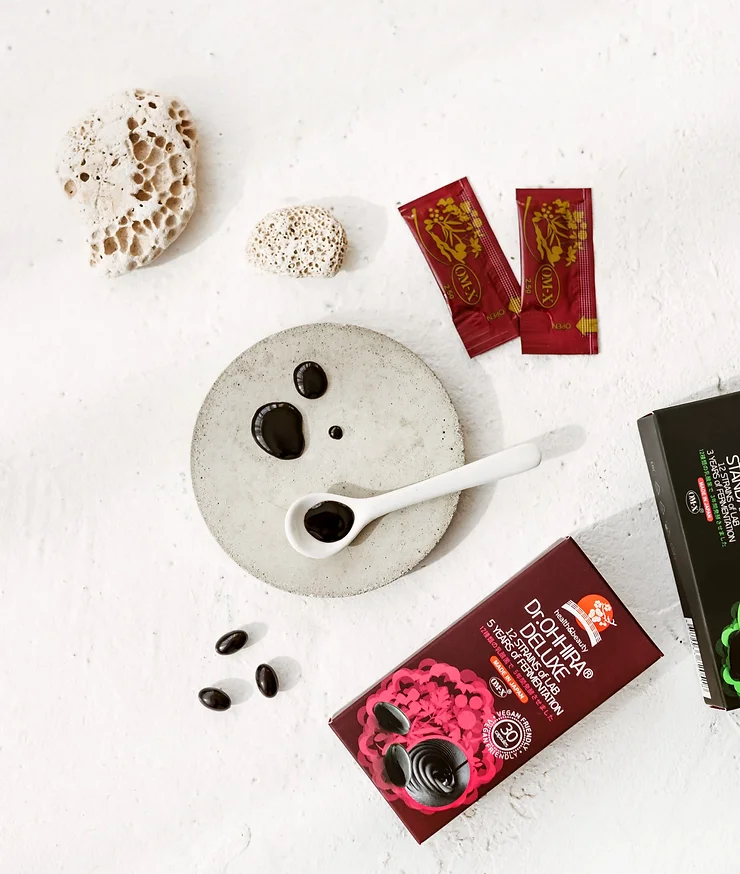
- Using appropriate dietary supplements: Probiotic and prebiotic supplements can help restore gut microbiota. Probiotics are live bacteria that, when taken in appropriate doses, can positively affect gut microbiota, while prebiotics are fibers that feed these beneficial bacteria. For example, Dr. Ohhira offers two types of probiotics: Standard and Deluxe. Created by a renowned Japanese microbiologist, this proven formula combines lacto- and bifido-bacteria, dietary fibers, and over 500 biogenic metabolites. The probiotics differ in fermentation duration (3 and 5 years) and the number of probiotic bacteria. The products contain a remarkable blend of various types of active and viable probiotic cultures, fiber, and hundreds of biogenic metabolites formed during fermentation.
While adjusting gut microbiota can aid in weight loss, it’s essential to emphasize that there is no universal solution to weight loss. Each person’s gut microbiota is unique, so what works for one individual may be ineffective for another. It’s important to understand that weight loss is a long-term process that requires an integrated approach, including diet, physical activity, and overall lifestyle changes. Additionally, before making dietary changes or taking dietary supplements, it is recommended to consult a healthcare professional.
Sources:
Slavin J. (2013). “Fiber and Prebiotics: Mechanisms and Health Benefits.” Nutrients.