FREE SHIPPING ON ORDERS ABOVE £ 49 ACCROSS THE UK ONLY


We all want to find the one answer to why so many people don’t feel healthy, why chronic illnesses even affect the youngest among us, and why growing children are being called the “generation of healthy patients.”
There’s endless talk about “good” bacteria. The internet, pharmacies, and our minds are filled with information that we must consume these bacteria. It’s unclear why and for whom, but with so much talk and advertising, why not? We all want to find the single answer to why so many people don’t feel healthy, why chronic illnesses even affect the youngest among us, and why growing children are being called the “generation of healthy patients.” Unfortunately, there isn’t just one factor causing various disorders. We live in an environment that both protects and harms us. Humanity has changed the world around itself so drastically that we now must deal with the consequences. With scientific research advancing, it’s increasingly acknowledged that the world of microorganisms can and should help us. Therefore, when certain symptoms appear, recommendations to take “good” bacteria, also known as probiotics, are often heard.
Where did this whole movement begin?
The idea that a vast number of invisible microbes live within us came with the invention of the first microscope by Antonie van Leeuwenhoek, born in 1632. Over time, the work of scientists like Pasteur, Koch, and others revealed that these microbes are what cause disease and that they must be eradicated. The words “bacteria” or “microbe” became associated with illness, death, and, of course, plagues and epidemics. Though conditions today are much better than what our ancestors experienced, we are still waging a battle against bacteria—as if we think that unless we disinfect and kill all surrounding bacteria, we and our children will get sicker. For many, the fear of bacteria has become stronger than concerns about the adverse effects and long-term impact of antibiotics. The widespread use of these drugs has significantly disrupted the balance of microorganisms, leading to the emergence of antibiotic-resistant bacteria. The myth that eliminating bacteria will eliminate disease persists.
It turned out that microorganisms weren’t the ones we needed to fear.
We only realized this when cases of various chronic diseases started rising. While infections still play an important role, new illnesses like atherosclerosis, heart disease, and autoimmune conditions (e.g., allergies, asthma, Crohn’s disease, and type 1 diabetes) have become more prominent. Once again, attention shifted back to microorganisms. The hygiene hypothesis, proposed in 1989, shook our understanding, suggesting that the shift from poor living conditions to high hygiene (or an overly sterile environment) is a major factor in the development of autoimmune diseases and allergies. Our genes and the immune system they encode haven’t changed alongside our lifestyle changes. This hypothesis remains relevant today. An overly sterile environment prevents the immune system from encountering various pathogens (disease-causing agents) at a young age, disrupting the balance of immune cells. Consequently, more people experience an exaggerated and overly strong immune response to everyday substances or foreign bodies.
But there’s another side to this story.
While it’s easy to blame an overly clean environment, the question remains—are we really living too cleanly? Likely, the answer is no. The concept of cleanliness has changed. We have eradicated vast quantities of microorganisms, filling the void with various chemical compounds that our immune system can’t recognize. The immune system’s duty is to protect the body from harmful microbes, foreign proteins, and other invaders. However, various chemical compounds are new to our bodies. The immune system may respond in different ways: it may become fearful, accept them as harmless friends, or “store them away” in the liver or fatty tissue to deal with them later. We need a defense system to protect us and prevent harmful chemicals from damaging us.
Scientists naturally began to ask—should we bring microorganisms back where they belong?
Why? Because from the dawn of humanity, microbes have always been around us. It turns out we can only develop properly when a multitude of microbes live within us. They are the first to encounter chemicals that enter us through the intestines, respiratory tract, or skin, protecting us from these substances. Previously, we thought our bodies were merely homes for microorganisms. Now, scientists have changed their minds, influenced by some seemingly simple numbers. The human genome contains 20,000–30,000 protein-coding genes. Rice has between 30,000 and 50,000 genes, depending on the variety. This seems odd, as humans are certainly more complex than these grains. But if we add the genetic material of the bacteria living with and within us, our genetic picture becomes far more colorful. It is estimated that bacterial genetic material is up to 150 times greater than our own. It’s time to acknowledge that our bodies, together with the microorganisms that live within us, are a unified whole. In other words, we should view the entire microbiota as another organ, essential for life, like the heart, lungs, or brain. Given how crucial these microorganisms are for our survival, this “organ” could be considered one of the most important. While most discussions focus on microorganisms in the digestive tract, they also exist in the respiratory tract, on the skin, and even in a nursing mother’s mammary glands, milk, and heart. Around 10,000 species of microorganisms are known to live within the human body. Thus, for each of our cells, there are approximately eight microbes.
As we began studying the microbiota, our perspective on bacteria also changed.
No longer are there “good” and “bad” bacteria. Disease is caused by a disrupted balance, known as dysbiosis, where beneficial bacteria in the gut decrease and conditionally pathogenic or pathogenic bacteria increase. If disease-causing bacteria are few, they won’t harm us and may even be beneficial through their activity and secretions. Therefore, there are no “bad” bacteria—only an excessive quantity is harmful.
If we can’t exist without microorganisms, then they must be essential to us. While the fetus is still in the womb, the mother introduces the baby to these microorganisms—small amounts of probiotics are already present in the baby’s gut. After birth, an appropriate environmental microflora is vital so that the baby’s skin, digestive tract, and respiratory tract receive suitable, protective microorganisms. The mother, through her milk, touch, and voice, transfers her “good” bacteria to protect the child from harmful microbes. Fathers, siblings, and pets also share their microorganisms. The first years of life are crucial for developing a healthy microbiota. Proper nutrition and environment ensure that a child’s microbiota forms according to their needs. There is no uniform microbiota composition—what works for one child may cause issues in another. Birth by cesarean section or antibiotics during the early days or months disrupt the natural formation of the microbiota. Increasing evidence shows that dysbiosis in the first months of life leads to the development of atopic, allergic, and digestive diseases. Symptoms like colic, bloating, diarrhea, mucus, or even blood streaks in stools should not be dismissed as natural infant processes. Properly managing these symptoms could help prevent certain chronic diseases.
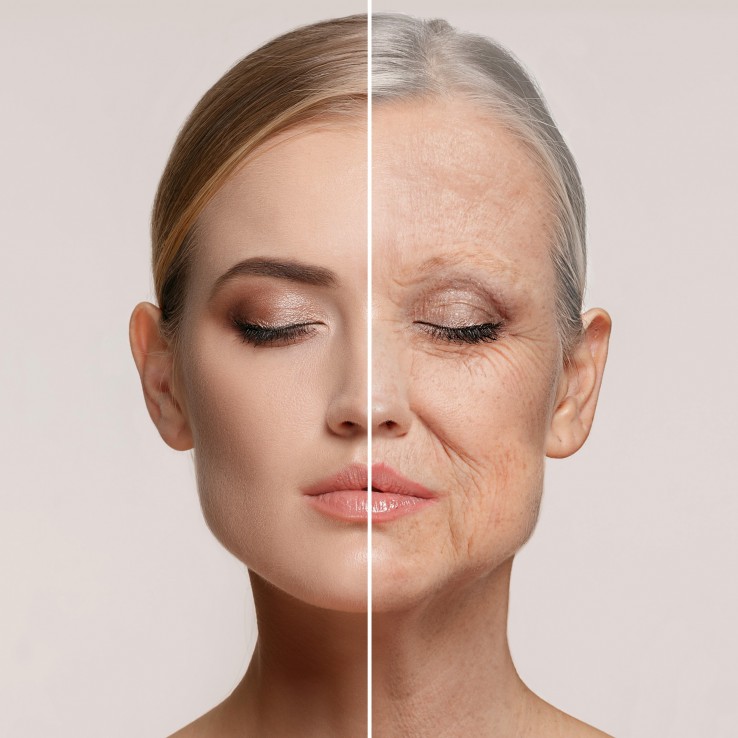
As a person grows, the composition of their microbiota changes. In a breastfed baby, bifidobacteria make up about 60–90% of the microbiota in the gut, while in elderly people, it’s only about 25%. Not only does the quantity of bacteria change with age, but so does their quality. The composition of the microbiota greatly depends on our diet and living environment. It’s been found that people in cities with poor, limited diets have a depleted microbiota, with reduced bacterial diversity and strains. Studies have shown that the more diverse the microorganisms, the lower the risk of various symptoms. Changing dietary habits or moving to a different location has often resulted in illnesses disappearing or significantly improving, potentially due to changes in microbiota composition.
It’s said that up to 80 percent of the immune system relies on the microbiota.
It’s been established that the bacteria living in the gut start educating and training our children’s immune systems from the very first days of life. They are the first microorganisms that a child’s immune cells encounter, teaching them which bacteria are friendly and which are harmful. However, the microbiota is essential not only for immunity and protection. Certain types of bacteria are involved in digestion, fermenting undigested and unabsorbed fibers, carbohydrates, proteins, and mucus in the intestines. They aid in the absorption of energy-rich substances, participate in synthesizing vital vitamins (A, K, B2, B12), facilitate the absorption of calcium, magnesium, and iron ions, control the proliferation of intestinal epithelial cells, and protect against pathogenic bacteria, among other functions.
It’s not just microorganisms that contribute to our well-being, but also the substances they release, known as postbiotics, which act as teachers, organizers, and overseers. Protective bacteria release bacteriocins that inhibit the growth of pathogenic bacteria, so probiotic preparations are prescribed to treat or prevent intestinal infections. Because these bacteria produce various enzymes that finalize nutrient digestion, break down toxins, and participate in other metabolic processes, ensuring their presence is crucial, especially when experiencing digestive disorders and feelings of fullness. They are irreplaceable in treating irritable bowel syndrome and leaky gut syndrome. The amount of neurotransmitters they release impacts our mental and neurological health, which is why microbiota imbalances are associated with depression and behavioral disorders. There are many links between changes in microbiota and children with autism spectrum disorders. Nitric oxide released by probiotics significantly affects cardiovascular function. Organic acids (fulvic, humic) released by microorganisms are of great interest to scientists because they act as “carriers” into cells. Fulvic acid is responsible for transporting oxygen to cells, absorbs toxins like a sponge, and alkalizes the body. The end products of bacterial digestion, known as short-chain fatty acids (SCFAs), are crucial for human energy metabolism. These include acetic, butyric, and propionic acids. Intestinal cells rapidly absorb SCFAs and use them as an energy source. SCFAs quickly travel to the liver, where they convert into essential substances involved in energy utilization and storage. SCFAs help decide when and how to use the energy obtained from food and when to store it as fat. Therefore, microbiota imbalances are directly linked to obesity and the development of diabetes. Increasing evidence suggests that dysbiosis, if not causing it directly, certainly contributes to the development of celiac disease and other chronic intestinal diseases. This is why postbiotics have been extensively studied in recent years, with hopes that understanding the role of each substance will answer many related questions. It’s hoped that bacteria will help us learn how to avoid and treat these diseases when they manifest.
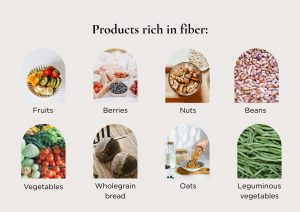
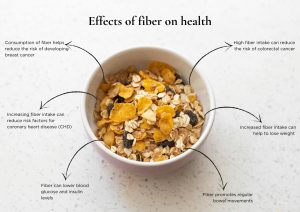
We often hear that good bacteria are ineffective for children because they don’t reach the digestive tract, particularly the large intestine, where most microorganisms are concentrated. To these skeptics, I ask—how did all the bacteria get into the gut? Obviously, they had to pass through the “gates” of the stomach and duodenum. Microorganisms thrive not only in the large intestine; they’re found throughout the tract, from the mouth to the stomach. These bacteria are incredibly diverse—some prefer acidic environments, others alkaline, some are aerobic, while others live in oxygen-free areas. All bacteria can adapt to a degree, even surviving briefly in unfavorable environments. If a bacterium is active, it protects itself by releasing substances that change the pH of its surroundings. True, not all bacteria are strong enough to reach their intended destinations, but if even a few make it, that’s already a significant success. It’s essential not just to have the bacteria but also to provide a suitable environment for them to settle and multiply. Proper nutrition filled with fiber-rich vegetables, fermented foods, and limited in preservatives, colorants, and other additives ensures a healthy environment for the microbiota.
Until recently, we did everything possible to eliminate microorganisms around us. Now we’re making enormous efforts to encourage as many of these bacteria as possible to live within us. However, just as we can’t have two hearts, we can’t overfill the “cup” of microbiota. We can only replace the inappropriate contents with appropriate ones. This can be achieved with a balanced diet and healthy lifestyle. Yet, for many, this remains an impossible task, perhaps due to a lack of will, motivation, or knowledge. Until we realize and treat our bodies as precious, it will take time to restore what we’ve damaged regarding our microbiota. In the meantime, we have supplements with probiotics, prebiotics, and postbiotics. We always have a choice, so I suggest choosing the friendship of naturally sourced, responsibly produced, and protective microorganisms.
Which are the best?
The ones that, after a few days or weeks of use, start to make your body feel good, rewarding you by alleviating bothersome symptoms.
Article author: Pediatric Allergist-Pulmonologist Dr. Indrė Plėštytė-Būtienė